Positive affirmations for kids is a powerful tool to teach young kids about resilience and how to pick themselves up when things get hard. Young children tend to take things much more harder than adults, and sometimes they can overly react to situations where an adult understands it’s not a big deal.
With affirmations we can help our kids to handle situations better, and also teach them how to strengthen their mind and positive outlook.
Such a simple exercise of talking to our selves can have such a powerful impact on our lives. By practicing these positive affirmations for kids you will help them become happier and better.
List of Kids Affirmations to Build a Positive Mindset
Here are 151 tried and true affirmations that are a constant source of inspiration for kids as well as adults. Consider these phrases as you search for the perfect set of daily positive affirmations for kids to help every child through the ups and downs of childhood. They’re the go-to solution to not only the problems listed above, but many more of the daily concerns that follow every kids through their roughest years.
1. I am a superhero.
2. I am a hero.
3. I am calm.
4. I am happy.
5. I am peaceful.
6. I can do anything.
7. I am my own hero.
8. I am okay.
9. I am fine.
10. Nothing can hurt me.
11. I am fearless.
12. I am unafraid.
13. Nothing can stop me.
14. My nightmares aren’t real.
15. My monsters don’t exist.
16. I can do my best.
17. I am safe.
18. I am secure.
19. I am in a safe place.
20. I am with good people.
21. I am surrounded by love.
22. I am surrounded by hope.
23. I am surrounded by care.
24. I am loved.
25. I am liked.
26. This is my happy place.
27. I am protected.
28. My heroes protect me.
29. I can make it through anything.
30. I am whole.
31. I am healthy.
32. I am free.
33. I am smart.
34. I am good.
35. I am kind.
36. I will do great things today.
37. This is my safe place.
38. No one will hurt me.
39. No one hates me.
40. I am among friends.
41. I am warm and safe.
42. I can spread love.
43. I am everyone’s friend.
44. I am a friend.
45. I am a loved child.
46. I am a good child.
47. I have great ideas.
48. I am gifted.
49. I am beautiful.
50. I am talented.
51. I am a star.
52. I am a gift to those around me.
53. I am my own person.
54. I can make good decisions.
55. I can make the right decisions.
56. I have no problems.
57. I have no worries.
58. I have good answers.
59. I am well.
60. Everything I need is around me.
61. Everything I want is here.
62. I believe in myself.
63. I believe I can do anything.
64. I am strong.
65. I am kind to animals.
66. I am kind to others.
67. I trust my family.
68. I trust my friends.
69. I trust my teachers.
70. I can stand up to bullies.
71. I am better than any bully.
72. I can help someone who is bullied.
73. I respect myself..
74. I am a better person.
75. I know right from wrong.
76. I respect my elders.
77. I respect my friends.
78. I respect other students.
79. I respect my family.
80. I listen to my teachers.
81. I listen to my family.
82. I listen to my classmates.
83. I refuse to hate anyone.
84. I love everyone.
85. I love school.
86. I love life.
87. I love my friends.
88. I refuse to quit.
89. I refuse to give up.
90. I always share.
91. I share with my friends.
92. I can stand up to hate.
93. I know what is right.
94. I know what is wrong.
95. I will not be jealous.
96. I avoid jealousy.
97. I belong here.
98. I belong in this place.
99. I matter.
100. My thoughts matter.
101. My life matters.
102. My choices matters.
103. I can make the right choices.
104. I make the right choices.
105. I will not fail.
106. I will not lose.
107. I can pass this test.
108. I can make it.
109. I am a miracle.
110. I am unique.
111. I am creative.
112. I am artistic.
113. I can make good decisions.
114. I care.
115. I don’t let things hold me back.
116. I can beat anything.
117. I am great.
118. I can stand anything.
119. No one can harm me.
120. I rise above.
121. I will rise.
122. I will soar.
123. I am relentless.
124. I feel comfortable.
125. I am alive.
126. My time here matters.
127. My talents are special.
128. I always take the high road.
129. I matter.
130. I am a survivor.
131. I am here for a reason.
132. I can help others heal.
133. I am smiling.
134. I am laughing.
135. I am not sad.
136. My emotions matter.
137. My feelings matter
138. No one has the right to harm me.
139. I am singing.
140. I am dancing.
141. I have goals.
142. I am going forward.
143. I am always moving forward.
144. I know I am powerful.
145. I am important.
146. I am a strong person.
147. I am playful.
148. I am cool.
149. I am an achiever.
150. I can adapt to anything.
151. I believe.
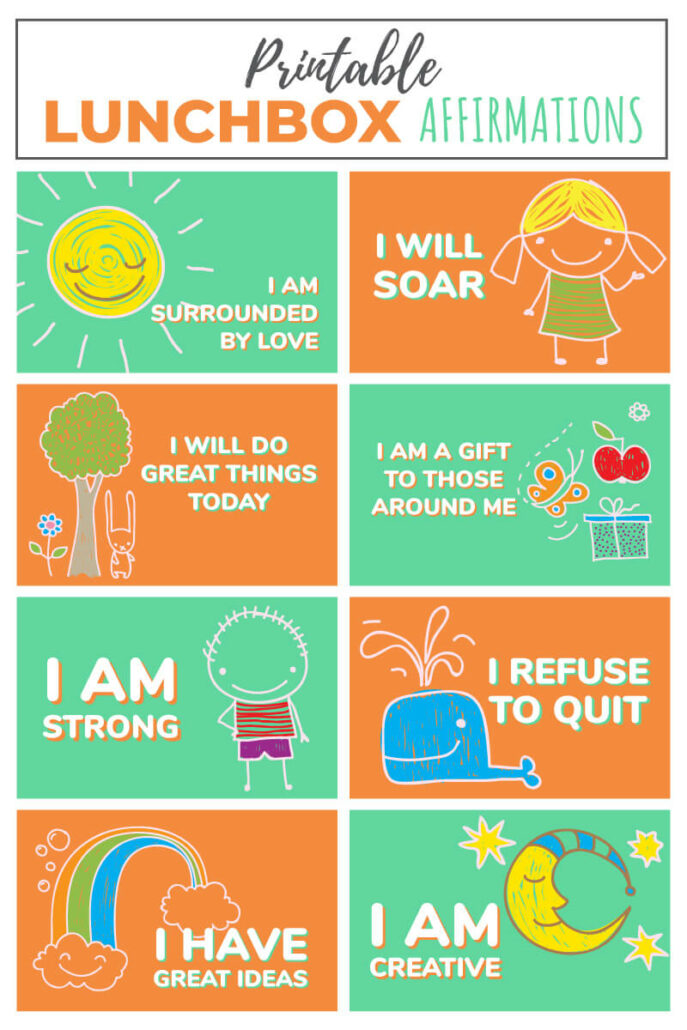
If you’re short on time and just want a quick daily ritual to go over with your kids or maybe even for yourself, below is a quick top 10 affirmations you can print and place in your room or classroom to say out loud.
My go-to list of affirmations for kids
What are affirmations?
The definition of an affirmation is fairly simple. Whether it’s Wikipedia or another source, the answer to this question is usually straightforward.
An affirmation is merely a phrase written, said, or thought about repeatedly. The more it is uttered or thought about, the greater its power in the mind of the person who has it.
kidactivities.net
More crucial to their power is not only the number of sayings but the message behind it. Affirmations for kids hold positive messages and thoughts that are designed to calm worries, encourage success, and increase the possibility for positive results in someone’s life.
Why are affirmations important
Affirmations make you feel better, somehow uplifting as they get you through something that seems insurmountable. It can become a valuable tool in healing, recovery, cultivating a resilient mindset, or smaller details in our lives.
It is not only in children that positive affirmations are an effective tool, but with adults as well. Forming a habit of daily affirmations can have positive effects on your life and it is highly recommended.
A child faces many issues as they grow. From how they perceive themselves to the world around them, as these young adults mature and develop, helping them by teaching the habit of affirmations is a powerful tool that will help them grow with a stronger mind.